
Resources → Categories
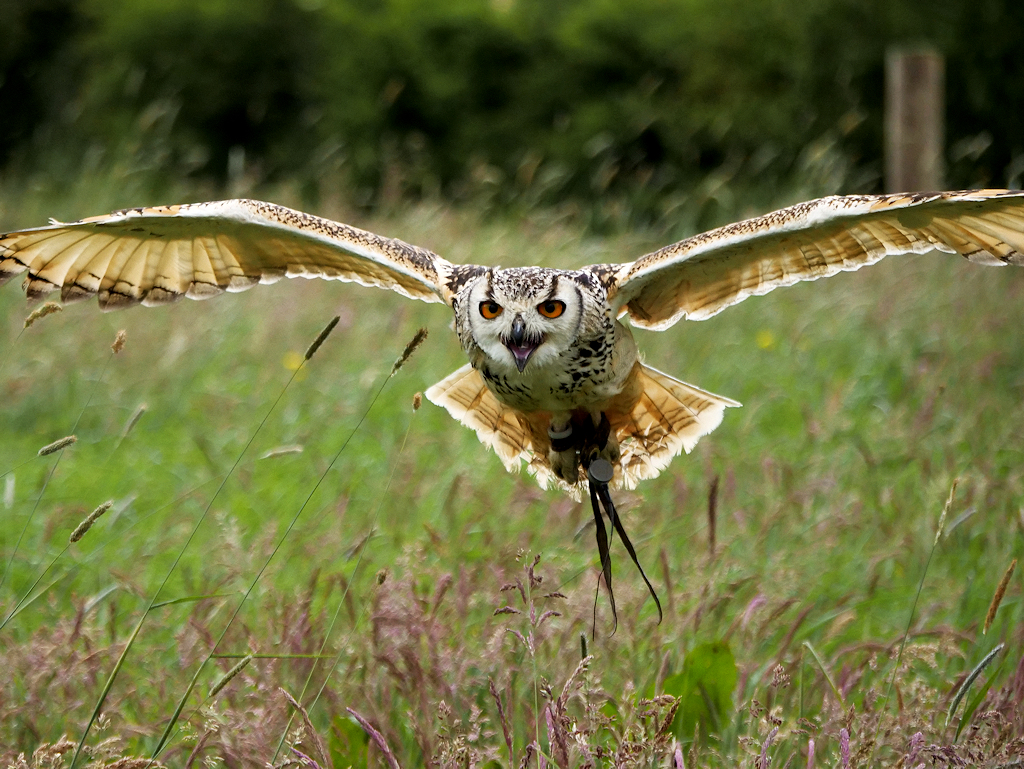
Wildlife Rehabilitators
Every year, thousands of raptors across the United States are injured by vehicle collisions, window strikes, power line electrocutions, poisoning, and other human-caused hazards. Wildlife rehabilitators are the licensed professionals and volunteers who give these birds a second chance. This guide explains how raptor rehabilitation works, how to find a rehabilitator, and how the falconry community plays a vital role in the process.
What Raptor Rehabilitation Involves
Raptor rehabilitation is the process of receiving injured, orphaned, or sick birds of prey, providing medical treatment and supportive care, and conditioning them for release back into the wild. It is a demanding discipline that combines veterinary medicine, avian husbandry, and behavioral expertise.
The rehabilitation process typically follows several stages:
- Intake and triage. When a bird arrives, the rehabilitator performs an initial assessment to evaluate the severity of injuries, check for parasites, and determine hydration and nutritional status. Severely compromised birds receive emergency stabilization - fluid therapy, warming, and pain management.
- Veterinary treatment. A veterinarian (ideally one with avian or raptor experience) examines the bird, takes radiographs, performs blood work, and develops a treatment plan. Common procedures include fracture repair, wound management, de-worming, and antifungal or antibiotic therapy.
- Recovery and supportive care. Birds in recovery are housed in quiet, low-stress enclosures appropriate to their species and condition. Rehabilitators manage diet, medications, and physical therapy. This phase can last days for minor injuries or months for complex fractures.
- Flight conditioning. Before release, a bird must demonstrate that it can fly, hunt, and survive independently. Rehabilitators use flight cages (often 50–100 feet long) to build stamina and test maneuverability. Some centers use creance (tethered) flight or live-prey testing to evaluate hunting capability.
- Release. Once the bird meets species-appropriate fitness benchmarks, it is released in suitable habitat, ideally near where it was originally found. Some releases are coordinated with falconers or wildlife biologists who can monitor the bird’s post-release survival.
Not every bird can be rehabilitated. Birds with injuries that permanently impair flight, vision, or hunting ability may become education ambassadors at nature centers and schools if placement is available. In cases where rehabilitation is not feasible and no educational placement exists, humane euthanasia is sometimes the most compassionate option.
How to Find a Rehabilitator
If you find an injured raptor, time is critical. Here are the fastest ways to locate a licensed rehabilitator:
- State wildlife agency hotline. Most state fish and wildlife departments maintain a 24-hour reporting line that can connect you with the nearest licensed rehabilitator. This is often the fastest and most reliable option.
- National Wildlife Rehabilitators Association (NWRA). The NWRA maintains a directory of members searchable by state and species specialization at nwrawildlife.org.
- Local animal control. Many animal control agencies have established relationships with wildlife rehabilitators and can facilitate transport of injured raptors.
- Falconry clubs. State falconry club members often know the rehabilitators in their area personally and can provide direct contact information.
- Veterinary clinics. Even if a general-practice vet cannot treat raptors, most can stabilize an injured bird and connect you with a rehabilitator.
What to do while waiting for help: Place the bird in a dark, quiet, well-ventilated box lined with a soft towel. Do not attempt to feed it, give it water, or handle it more than necessary. Keep pets and children away. Minimize noise and light. Transport the bird to the rehabilitator or designated drop-off point as soon as possible.
Legal Framework & Permits
All raptors in the United States are protected under the Migratory Bird Treaty Act (MBTA) and, in many cases, additional state laws. Possessing, transporting, or treating a raptor without proper authorization is a federal offense, even if your intentions are good.
- Federal rehabilitation permit. Rehabilitators must hold a USFWS Migratory Bird Rehabilitation permit (MB permit) that authorizes them to possess and treat injured migratory birds, including all raptors. This permit requires demonstrated experience, appropriate facilities, and access to veterinary care.
- State rehabilitation license. Most states require a separate rehabilitation license in addition to the federal permit. State requirements vary but typically include minimum training hours, facility inspections, and annual reporting of birds received, treated, released, and euthanized.
- Eagle-specific permits. Rehabilitating bald or golden eagles requires additional authorization under the Bald and Golden Eagle Protection Act. Not all rehabilitators are permitted to handle eagles.
- Good Samaritan provisions. Most states allow unlicensed individuals to temporarily possess an injured raptor for the sole purpose of transporting it to a licensed rehabilitator. However, keeping the bird beyond the minimum time necessary for transport is illegal. When in doubt, call your state wildlife agency for guidance.
How Falconers Help With Rehabilitation
The falconry community has a long and productive relationship with wildlife rehabilitation. Falconers contribute in several important ways:
- Flight conditioning expertise. Falconers understand how to condition a raptor for peak flight performance - a skill directly applicable to preparing rehabilitated birds for release. Some rehabilitation centers partner with falconers to fly recovering birds on the creance or to the fist to rebuild flight muscles and coordination.
- Trapping and handling skills. Falconers are trained to safely capture and handle raptors, making them valuable volunteers for intake, banding, and release operations.
- Equipment and facilities. Falconers often have mews, giant hoods, transport boxes, and other equipment that rehabilitation centers may need on short notice. Many falconers donate surplus equipment to their local rehab center.
- Prey identification and hunting assessment. Falconers can evaluate whether a rehabilitated bird demonstrates appropriate prey drive and hunting behavior before release - a critical assessment that non-falconers may struggle to make.
- Financial support. Many falconry clubs and individual falconers donate to rehabilitation centers, which typically operate as nonprofits dependent on donations and grants.
Some states allow licensed falconers to receive non-releasable raptors from rehabilitation centers for falconry use, provided the bird meets specific health criteria and the transfer is documented with USFWS. This pathway gives birds that would otherwise face euthanasia a chance at a purposeful life while providing the falconer with a trained-on bird. Check your state’s regulations for eligibility.
Volunteering at a Rehab Center
Volunteering at a raptor rehabilitation center is one of the most rewarding experiences available to anyone interested in birds of prey, and it is an excellent entry point for people considering falconry:
- Hands-on raptor experience. Volunteers assist with feeding, cleaning enclosures, administering medications, and sometimes handling birds during exams. This direct experience builds comfort and confidence with raptors.
- Networking. Rehabilitation centers attract falconers, veterinarians, wildlife biologists, and other raptor enthusiasts. The relationships you build as a volunteer can lead to mentorships, sponsorships, and lifelong friendships.
- Educational programs. Many centers run public education programs using non-releasable ambassador birds. Volunteers may be trained to present these programs, developing public speaking skills and deepening their knowledge of raptor ecology.
- Training requirements. Most centers require new volunteers to complete an orientation and training program. Some require a minimum weekly or monthly time commitment. Contact your local center to learn about their volunteer process.
Even if falconry is not your goal, volunteering at a rehabilitation center is a meaningful way to contribute to raptor conservation and gain an appreciation for these extraordinary animals.
Browse Wildlife Rehabilitators
Find verified raptor rehabilitators and wildlife rescue centers in our directory.
Browse Rehabilitator ListingsList Your Rehabilitation Center
Reach people searching for raptor rescue services. Featured listings appear first.
Add Your Business