
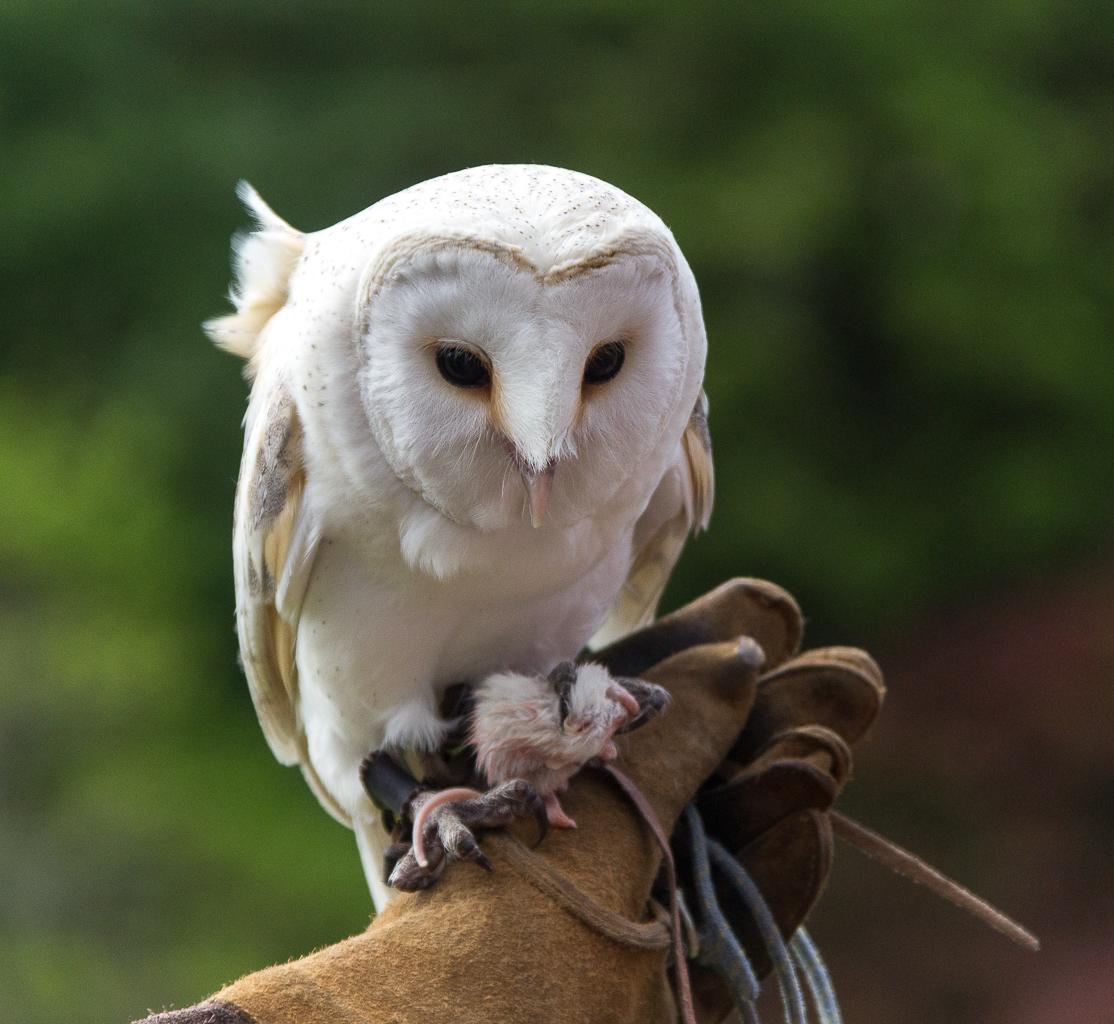
Falconry Lessons & Classes Near You
Whether you want a one-day hawk walk or a full apprenticeship that leads to your own bird, falconry lessons are the first step into one of the oldest hunting traditions on earth. This guide covers everything you need to know before booking your first class.
What Falconry Lessons Include
Falconry lessons near you will typically blend classroom instruction with hands-on field work. The exact split depends on the program length, but even a single-day experience covers more ground than most people expect.
Classroom time introduces the biology and behavior of raptors, the history of falconry, and the legal framework that governs raptor ownership in the United States. You will learn how hawks, falcons, and eagles differ in temperament, hunting style, and training requirements. Instructors explain the prey species common to your region and how falconers match a bird to local habitat.
Field work is where the real learning happens. Under close supervision, students practice casting a bird from the glove, using a lure to recall the bird, and reading the bird's body language during a hunt. You will walk through fields and hedgerows with a trained Harris's hawk or red-tailed hawk, watching how the falconer positions the bird, flushes quarry, and rewards a successful flight.
Equipment introductions cover the essential falconry toolkit: the glove (gauntlet), jesses and swivel, leash, bells, and the weighing scale that every falconer uses daily. Longer programs add telemetry systems, hood training, and mews construction to the curriculum. By the end of even a short course, you will understand why falconry demands daily commitment and why falconers describe it as a lifestyle rather than a hobby.
Types of Falconry Programs
Falconry schools and instructors across the country offer three broad program types. Knowing the differences will help you pick the right entry point for your goals.
Experience Days and Hawk Walks
A one-day falconry experience lasts two to four hours and gives you a taste of bird handling without any long-term commitment. You will fly a trained hawk in the field, learn basic commands, and hear the story behind each bird at the facility. These sessions are ideal for anyone curious about falconry, looking for a unique gift, or testing whether they want to pursue the sport further. No prior experience is required, and all equipment is provided.
Multi-Week Courses
Structured falconry courses run anywhere from a weekend intensive to a six-week program meeting once or twice per week. These classes cover raptor biology, federal and state regulations, equipment crafting, trapping techniques, and daily manning routines. Students who complete a multi-week course leave with enough knowledge to pass the falconry exam in most states and a clear understanding of what the apprenticeship period requires.
Full Apprenticeship Mentoring
The apprenticeship is the formal path to becoming a licensed falconer in the United States. Federal law requires a minimum two-year apprenticeship under a General or Master falconer before you can advance to the General permit level. A mentor guides you through trapping your first bird, building or purchasing equipment, daily training, hunting seasons, and the veterinary care schedule. This is not a class you attend on weekends. It is a daily commitment that reshapes your routine for at least two years.
Program Comparison
| Feature | Experience Day | Multi-Week Course | Apprenticeship |
|---|---|---|---|
| Duration | 2 – 4 hours | 2 – 6 weeks | 2+ years |
| Cost Range | $75 – $250 | $300 – $1,500 | $2,000 – $5,000+ (gear & fees) |
| What You Learn | Basic handling, lure work, raptor intro | Regulations, biology, equipment, exam prep | Full training cycle: trap, man, hunt, release |
| Bird Handling | Fly a trained hawk with supervision | Handle multiple species, practice recall | Trap, train, and hunt with your own bird |
| Prerequisite | None | None | Pass state falconry exam, find a sponsor |
| Best For | Curious beginners, gift experiences | Serious beginners preparing for the exam | Committed falconers pursuing a license |
What to Expect as a Complete Beginner
If you have never touched a raptor, you are in good company. The vast majority of people who book falconry lessons near them have zero experience with birds of prey. Schools design their introductory sessions around that assumption.
Expect to spend the first portion of any lesson learning safety basics: how to approach a bird on a perch, how to offer your gloved fist, and how to stay calm when a hawk bates (jumps off the glove). Instructors demonstrate each step before asking you to try. The birds used in beginner sessions are well-manned, meaning they are comfortable with strangers and tolerant of the minor handling mistakes new students inevitably make.
Wear sturdy outdoor clothing and closed-toe shoes or boots. Most lessons take place in open fields regardless of weather, so dress in layers and bring waterproof outerwear. Leave loose jewelry and scarves at home. Schools provide the glove and all bird equipment. You do not need to bring anything except water and a willingness to stand outside for a few hours.
After the lesson, most schools offer guidance on next steps: recommended reading, state-specific exam study guides, and how to connect with local falconry clubs that can introduce you to potential sponsors.
How to Choose a Falconry School
Not all falconry schools are created equal. A few questions upfront will save you time and money.
- Is the instructor a licensed falconer? Ask for their permit level. General or Master falconers with years of active hunting experience make the best instructors. Be wary of facilities that only offer photo opportunities with tethered birds and no real field time.
- What species will you work with? Reputable schools use well-trained Harris's hawks or red-tailed hawks for beginners. If a school advertises exotic species for beginners, ask why.
- What is the student-to-instructor ratio? Smaller groups mean more time with the bird. Anything above a four-to-one ratio in a beginner session dilutes the experience.
- Do they offer a path forward? The best schools connect students with mentors, study materials, and local clubs. A school that only sells one-off experiences may not have the depth you need if you decide to pursue licensing.
- Can you see the facilities? Healthy birds, clean mews, proper perching, and organized equipment storage are signs of a professional operation. Overcrowded or unkempt facilities are a red flag.
Online reviews help, but the falconry community is small. Ask in state falconry club forums or social media groups for personal recommendations. Word of mouth carries more weight here than in most industries.
Find Falconry Schools Near You
Browse verified falconry schools, instructors, and training programs across all 50 states.
Search Falconry SchoolsCost Ranges for Different Programs
Falconry lesson costs vary by region, program length, and instructor reputation. Here are the typical ranges you will encounter when searching for falconry classes near you.
- Experience days and hawk walks: $75 to $250 per person. Group rates are sometimes available for parties of four or more. Private sessions run toward the higher end.
- Weekend intensives: $200 to $500 for a two-day program that covers classroom material and multiple field sessions.
- Multi-week courses: $300 to $1,500 depending on the number of sessions, species diversity, and whether the course includes exam preparation materials.
- Apprenticeship mentoring: Mentor time is sometimes offered free as a community tradition, but many mentors now charge a fee ranging from $500 to $2,000 for structured guidance over the two-year period. On top of mentoring fees, expect to spend $2,000 to $5,000 on your own equipment, mews construction, veterinary care, and licensing fees.
Some schools offer package pricing that bundles an introductory experience with a follow-up course at a discount. Ask about these options before booking a standalone session if you already know you want to go deeper.
Licensing & Permit Requirements
Falconry in the United States is regulated at both the federal and state level. You cannot legally possess a raptor for falconry purposes without the proper permits, and the licensing process is intentionally rigorous.
The path begins with the Apprentice Falconer permit. To qualify, you must pass a written exam administered by your state wildlife agency, build or acquire approved housing (a mews) for the bird, assemble a basic equipment set that meets state specifications, and secure a sponsor who holds a General or Master falconer permit. The sponsor must agree to mentor you for at least two years.
Apprentice falconers are limited to one bird, typically a passage (first-year wild-caught) red-tailed hawk or American kestrel, depending on state rules. After two years at the apprentice level, you can apply to upgrade to a General permit, which allows two birds and a wider selection of species.
State requirements vary significantly. Some states require additional inspections, insurance, or reporting. A few states do not allow falconry at all or impose restrictions beyond federal minimums. Always check with your state fish and wildlife agency before investing in equipment or construction.
Falconry lessons and courses do not require any permit. You are handling the school's birds under their license. Permits only become necessary when you intend to possess your own bird.
Gear: What You Need vs. What Schools Provide
For any falconry lesson or course, the school provides all bird-related equipment: the glove, jesses, leash, swivel, bells, lure, and the birds themselves. You do not need to purchase anything before attending a class.
If you advance to the apprenticeship stage, you will need to acquire your own gear. The essential equipment list includes:
- Falconry glove: A thick leather gauntlet that protects your hand and forearm. Budget $40 to $120 depending on quality and material.
- Jesses, swivel, and leash: The tethering system that keeps the bird attached to your glove or perch. Handmade sets run $20 to $60.
- Bells and bewits: Small bells attached to the bird's legs for tracking in the field. $15 to $40 per pair.
- Weighing scale: A digital gram scale accurate to one gram. Essential for daily weight management. $20 to $50.
- Telemetry transmitter and receiver: GPS or radio telemetry for locating a lost bird. This is the biggest equipment investment at $200 to $1,500 depending on the system.
- Mews (hawk house): A weatherproof enclosure meeting state size and ventilation requirements. DIY builds typically cost $300 to $1,000 in materials. Pre-built units cost more.
- Perch: A bow perch or block perch for indoor and outdoor use. $30 to $100.
- Giant hood or transport box: For safely moving the bird to and from hunting grounds. $40 to $150.
Total startup costs for an apprentice falconer, including licensing fees, equipment, and mews construction, typically fall between $2,000 and $5,000. Your mentor can advise on which items to buy new, which to build yourself, and where to find used equipment from other falconers.
List Your Falconry School
Reach thousands of people searching for falconry lessons and classes near them. Add your school to the directory.
Submit Your Listing