
Resources → Categories
Pest Bird Abatement Services
Falconry-based bird abatement is one of the most effective and environmentally responsible methods for managing nuisance bird populations. By deploying trained raptors to patrol a property, abatement falconers create a persistent predator presence that drives pest birds away without chemicals, loud noises, or lethal measures. Here is how it works and what to look for in a provider.
What Is Falconry-Based Bird Abatement?
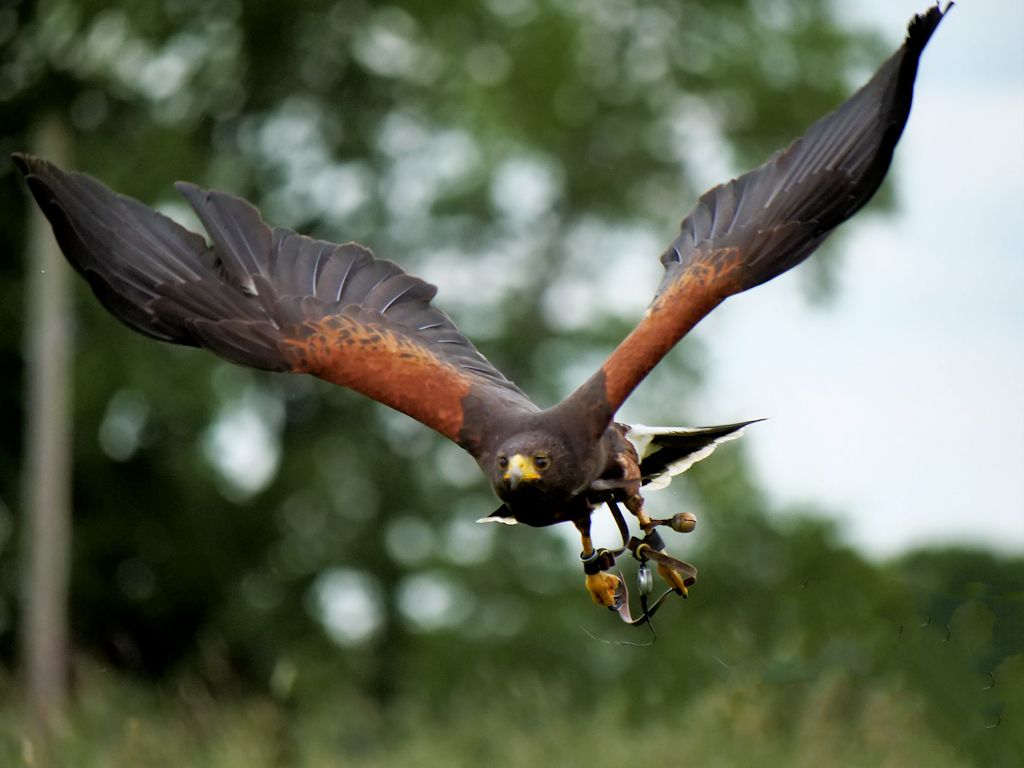
Bird abatement uses trained birds of prey - most commonly Harris’s hawks, peregrine falcons, or hybrid falcons - to deter pest species from a defined area. The raptors are flown in regular patrols over the property, and their presence triggers the natural flight response in pest birds such as pigeons, starlings, gulls, crows, and sparrows.
Unlike physical deterrents (netting, spikes) or auditory devices (propane cannons, distress calls), falconry abatement exploits the prey species’ hardwired fear of predators. Pest birds quickly learn that the area is actively patrolled by a raptor and relocate to safer territory. Over time, this conditioning dramatically reduces pest bird numbers without harming them.
The method is humane and non-lethal by design. While the raptors are capable hunters, professional abatement programs manage the birds to chase and harass rather than kill. The goal is deterrence, not extermination. This distinction is important for properties that need to comply with wildlife protection regulations or that prefer an ecologically sound approach.
Industries That Rely on Abatement
Falconry-based abatement is used across a wide range of industries where pest birds create safety hazards, health risks, or economic losses:
- Airports. Bird strikes cost the U.S. aviation industry over $400 million annually and pose serious safety risks. Many airports employ falconry abatement teams to patrol runways and taxiways, supplementing radar-based detection and other deterrents.
- Agriculture. Vineyards, blueberry farms, cherry orchards, and grain operations suffer significant crop losses to starlings, blackbirds, and other flocking species. Falconry patrols during ripening season can reduce damage by 70–90% compared to unprotected fields.
- Warehouses and distribution centers. Open loading docks and high ceilings attract pigeons and sparrows that contaminate products, create slip hazards with droppings, and damage equipment. Indoor-flying raptors (typically Harris’s hawks) can clear buildings that conventional methods cannot.
- Landfills and waste facilities. Gulls and crows congregate in enormous numbers at landfills, creating nuisance complaints from neighboring communities and potential FAA violations if near an airport. Regular abatement flights keep populations manageable.
- Sports venues and commercial properties. Stadiums, shopping centers, and corporate campuses use abatement to protect guests, reduce cleaning costs, and maintain aesthetics.
- Solar farms. Bird droppings reduce panel efficiency and accelerate corrosion. Abatement programs protect the substantial investment in solar infrastructure.
How to Evaluate an Abatement Provider
The abatement industry has grown rapidly, and quality varies. Here is what separates professional operators from amateurs:
- Licensing and permits. Every abatement falconer must hold a valid state falconry license (General or Master class) and any additional permits required for commercial use. Some states require a separate Abatement Special Purpose permit. Ask to see documentation.
- Insurance. Professional providers carry general liability insurance (typically $1–5 million) and may carry additional coverage for the raptors themselves. If a provider cannot show proof of insurance, walk away.
- Species selection. Experienced providers match raptor species to the target pest and environment. Harris’s hawks excel in enclosed or semi-enclosed spaces and against pigeons. Falcons are more effective against open-field flocking species like starlings and gulls. A provider using only one species for every situation may lack depth.
- Documented results. Ask for case studies with measurable outcomes - percentage reduction in pest bird counts, timeline to results, and client references. Reputable companies track data rigorously.
- Bird welfare standards. The raptors are athletes that need proper housing, nutrition, veterinary care, and rest. Ask about the provider’s bird care protocols, travel arrangements, and what happens during extreme weather.
- Integrated approach. The best abatement programs combine falconry with habitat modification, exclusion devices, and sanitation recommendations for long-term results.
Typical Contracts & Pricing
Abatement contracts vary widely depending on the site’s size, pest pressure, and service frequency. Common structures include:
- Seasonal contracts. Common in agriculture, these cover a specific growing or harvest window (e.g., 6–12 weeks). Costs range from $5,000 to $50,000+ depending on acreage and daily coverage hours.
- Year-round contracts. Airports, landfills, and large commercial properties typically contract for 12 months with daily or near-daily flights. Annual contracts can range from $50,000 to over $200,000 for large operations.
- On-call or project-based. Some providers offer short-term engagements for specific events or sudden infestations. Expect to pay $500–$2,000 per day depending on the number of falconers and raptors deployed.
When comparing bids, look beyond the headline price. Consider the number of flight hours per week, the number of raptors deployed, reporting frequency, and whether the contract includes follow-up consultations for habitat modification.
Abatement vs. Other Bird Control Methods
Falconry abatement is rarely used in isolation. Understanding how it compares to other approaches helps facility managers build an integrated pest bird management plan:
- Netting and exclusion. Highly effective for defined spaces but expensive to install and maintain. Does not address birds in open areas.
- Spikes and wire systems. Prevent roosting on ledges and signs. Inexpensive but limited to structural surfaces.
- Auditory deterrents. Propane cannons and distress call systems work initially but lose effectiveness as birds habituate. Falconry keeps the threat unpredictable.
- Laser deterrents. Effective at dawn and dusk for roosting birds. Can complement falconry during low-light hours when raptors are not flown.
- Chemical repellents. Limited applications and can raise environmental concerns. Not suitable for food-handling facilities.
The most successful programs use falconry as the centerpiece of a multi-tool strategy, leveraging the raptor’s unpredictability to prevent habituation while physical and environmental modifications reduce roosting and nesting opportunities.
Browse Bird Abatement Services
Find verified abatement providers in our directory.
Browse Abatement ListingsList Your Abatement Business
Reach facility managers searching for bird control solutions. Featured listings appear first.
Add Your Business