
Resources → Services
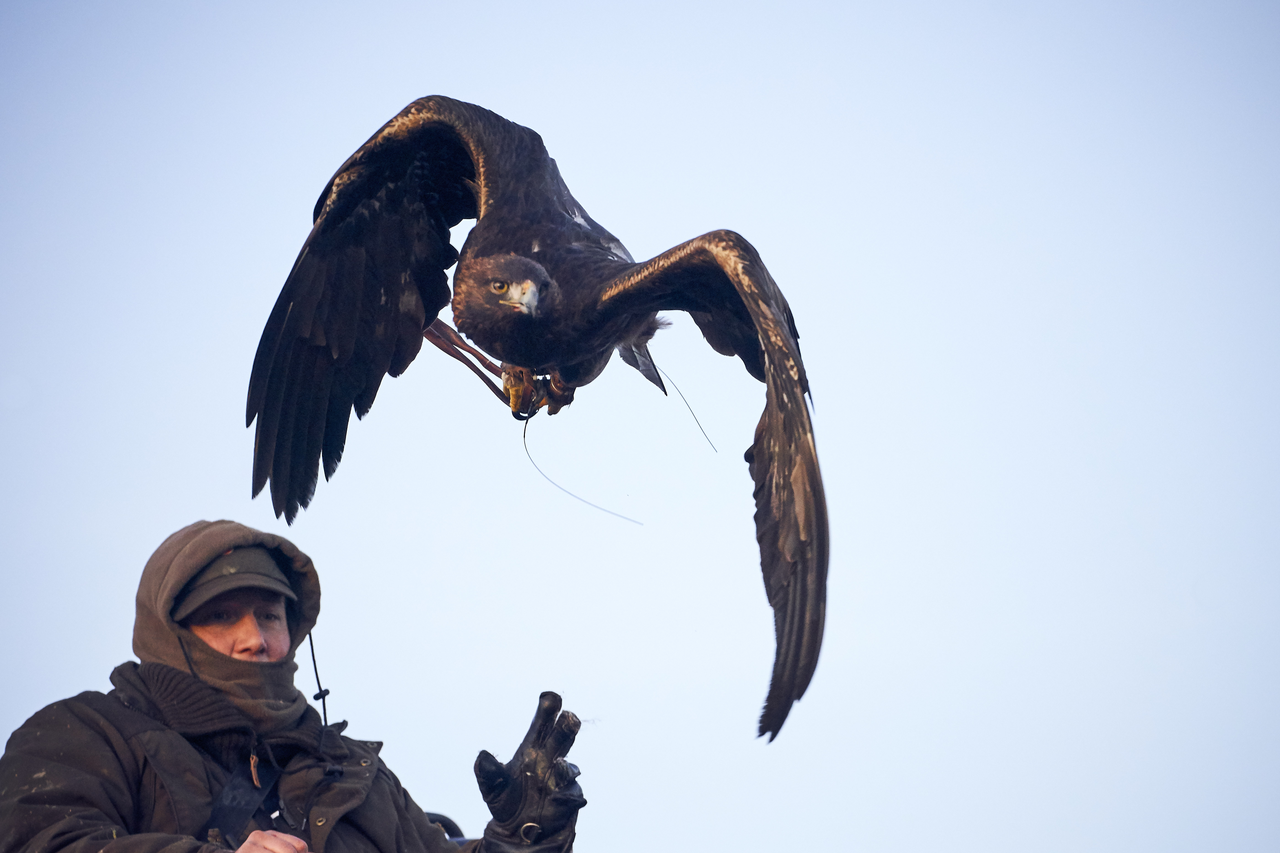
Falconry Pest Control: Commercial Bird Management with Trained Raptors
Falconry-based pest control uses trained hawks, falcons, and eagles to deter nuisance birds from commercial properties. It is humane, chemical-free, and increasingly in demand across airports, agriculture, and industrial facilities.
How Falconry Pest Control Works
Falconry-based bird abatement leverages the natural predator-prey dynamic. When pest birds - gulls, pigeons, starlings, crows, or geese - see a raptor actively patrolling their territory, they perceive a genuine threat and relocate. Unlike auditory deterrents or netting that birds habituate to over time, a live raptor creates an unpredictable, evolving threat that maintains effectiveness long-term.
A typical program begins with a site assessment. The falconer evaluates the target species, population density, roosting patterns, and site layout. They then design a flight schedule, often visiting the property 3–5 times per week during peak activity periods. The raptor flies the site while the handler manages positioning and recall. Over 2–6 weeks, pest bird populations typically decline 70–95%.
Maintenance visits continue on a reduced schedule to prevent re-establishment. Most contracts include monthly reporting with population counts and activity logs.
Industries That Use Falconry Pest Control
Demand for raptor-based bird management has grown sharply across these sectors:
- Airports - Bird strikes cost the aviation industry over $1.2 billion annually in the US. Falconry abatement programs are active at major airports including JFK, Sea-Tac, and Sacramento. The FAA recognizes falconry as a recommended wildlife hazard management technique.
- Agriculture & vineyards - Starlings and other birds destroy millions of dollars in crops each year. Falconry programs protect vineyards, orchards, and berry farms without pesticides.
- Landfills & transfer stations - Gulls at waste facilities create FAA wildlife hazard zones and community complaints. Falconry programs reduce gull populations without relocation permits.
- Warehouses & distribution centers - Interior pigeon and sparrow infestations contaminate inventory and create OSHA concerns. Harris hawks can effectively clear enclosed spaces.
- Corporate campuses & commercial properties - Goose management on office parks, shopping centers, and golf courses using border collies paired with raptors.
- Solar farms - Bird droppings reduce panel efficiency. Falconry programs keep sites clean without physical contact with panels.
$3.99–$17.99 CPC - "Falconry based bird abatement" is the highest-value search keyword in the falconry industry, reflecting strong commercial demand.
Falconry vs Traditional Pest Control Methods
| Method | Effectiveness | Habituation Risk | Chemical Free | Humane | Cost Range |
|---|---|---|---|---|---|
| Falconry abatement | 70–95% reduction | Very low | Yes | Yes | $2,000–$15,000/mo |
| Netting / exclusion | High (localized) | None | Yes | Yes | $5,000–$50,000 install |
| Sonic / ultrasonic devices | Low–moderate | Very high | Yes | Yes | $200–$2,000 |
| Chemical repellents | Moderate | Moderate | No | Varies | $500–$3,000 |
| Lethal control | Temporary | High (new birds) | N/A | No | $1,000–$5,000 |
| Laser deterrents | Moderate | Moderate | Yes | Yes | $1,000–$5,000 |
The key advantage of falconry abatement is its resistance to habituation. Pest birds adapt to static deterrents within days or weeks. A live raptor, however, represents an evolving, unpredictable predator that birds cannot ignore.
Cost and Contract Structures
Falconry pest control pricing varies by site size, target species, visit frequency, and region:
- Small commercial (parking lots, small farms): $1,500–$4,000/month
- Mid-size (warehouses, vineyards, campuses): $3,000–$8,000/month
- Large industrial (airports, landfills): $8,000–$15,000+/month
- One-time clearing (warehouse interior): $2,000–$5,000
Most providers offer initial assessment at no cost. Contracts typically run 3–12 months with monthly reporting. Look for providers who include population baseline counts and measurable reduction targets in their proposals.
How to Hire a Falconry Pest Control Provider
When evaluating providers, verify these qualifications:
- Falconry permit - General or Master level required in most states for commercial work.
- Business insurance - General liability and, for airports, aviation-specific coverage.
- Depredation or abatement permits - Some states require separate permits for commercial pest bird work.
- Site assessment process - Professional providers conduct a thorough pre-contract evaluation.
- Reporting - Monthly reports should include visit logs, bird counts, and trend analysis.
- References - Request case studies or references from similar properties.
Find Pest Control Falconers
Browse verified bird abatement providers in our directory. Featured listings include proof-checked credentials and insurance.
Browse Abatement ProvidersList Your Pest Control Business
Reach property managers and facility operators searching for falconry-based bird control. Featured listings appear first in search results.
Add Your Business